Inspiration
Soft & Light Blonde Hair Shades for Summer | Find Your Shade
14 September 2026
Soft, Light Blonde Shades for Summer
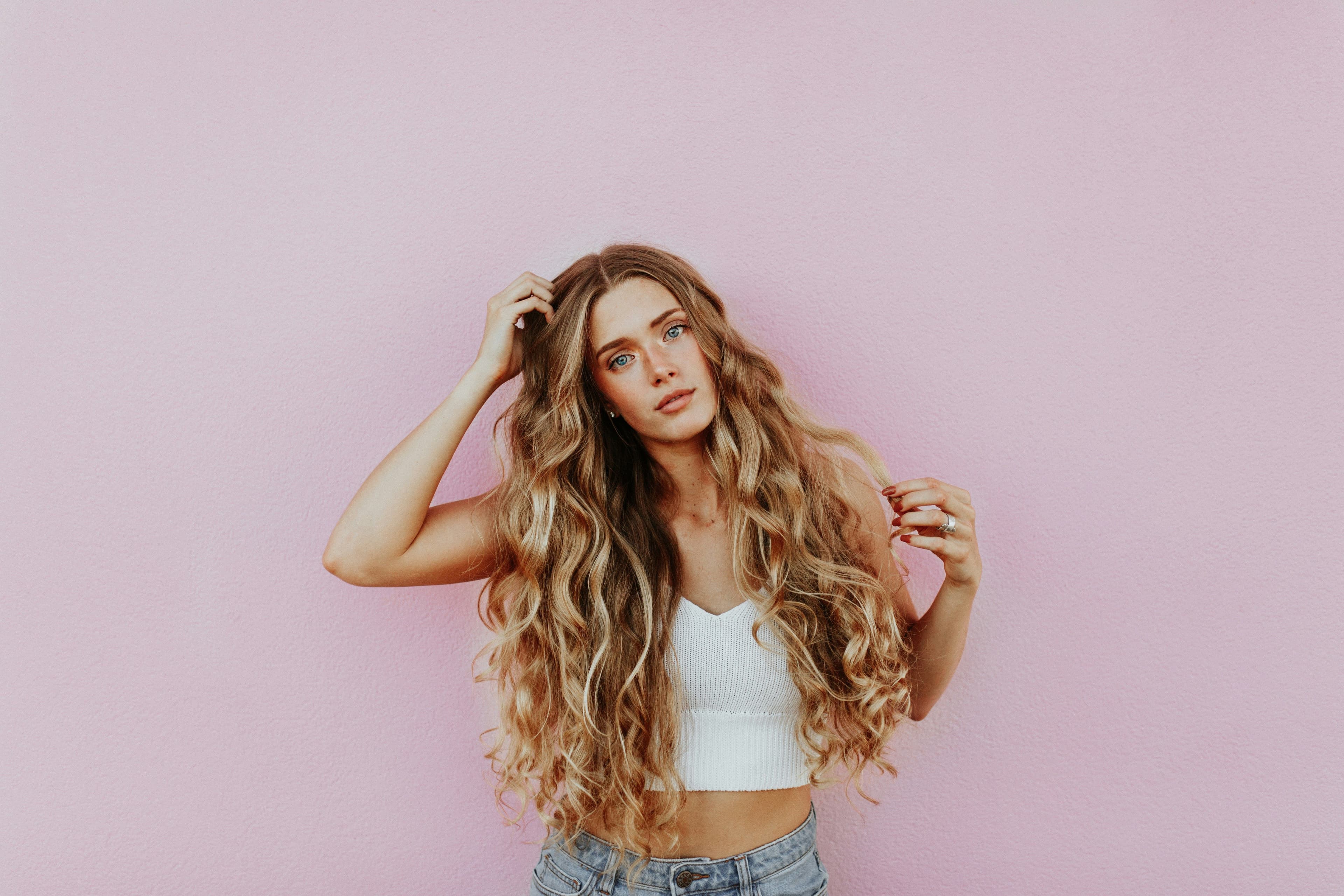
There's a particular kind of blonde you only really see in summer. Not the sharp platinum of a winter photoshoot, not the yellow-tinged blonde of an ill-maintained regrowth, but something in between: soft, alive, with fine darker undertones framing the face, and lighter strands falling around the cheekbones. It's the blonde of a childhood spent in the sun, and that's exactly the effect the best colorists are chasing, not through one bold adjustment, but through tones that behave as if they'd always been there.
Summer 2026 calls for blondes that are:
- Soft rather than sharp
- Layered rather than uniform
- In dialogue with your natural undertone rather than painted over it
That approach asks a bit more of the technique, but far less of the upkeep, and your face, your hair and your patience will thank you three months down the line.
Why soft blondes look so much more flattering
A uniform, bright blonde, the shade that peaked in the 2010s, demands constant upkeep and often reads harder than intended on more mature faces. The lighter a colour, the more it contrasts with your skin and eye colour. A blonde that's too cool or too bright can visually "wash out" the face, especially in the transitional months when Belgian light turns softer.
Soft blondes, honey blonde, beige blonde, caramel with blonde balayage, vanilla blonde, "bronde" (the brunette-blonde blend), work differently. They keep darker undertones at the root, add lightness where the sun would naturally have left it (around the face, through the lengths, at the ends), and so create a three-dimensional effect. The Cut described this approach last year as "lived-in blonde", blonde that looks like it's been there for months, not like you left the salon yesterday.
Four blonde shades leading this summer
Beige blonde
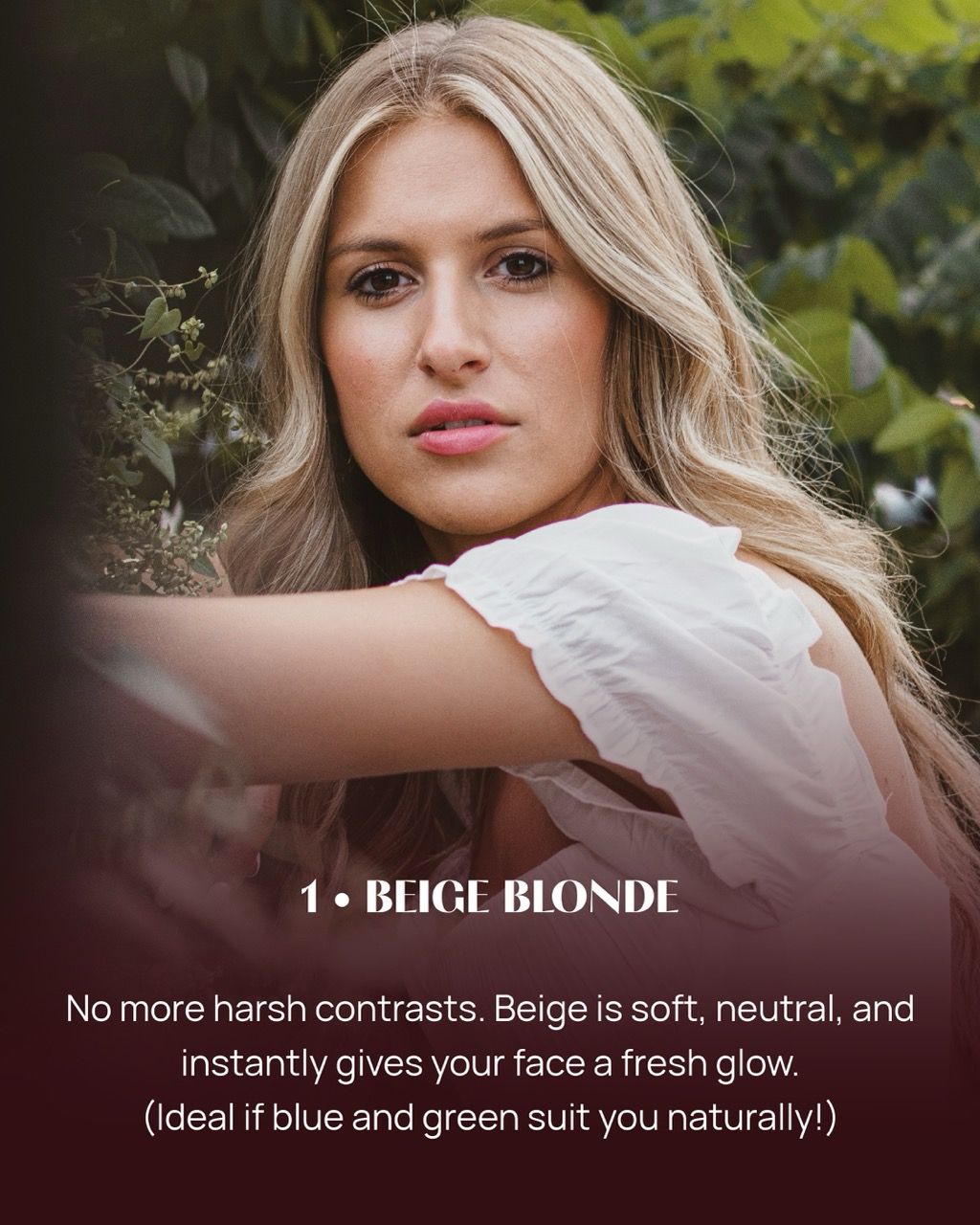
Cooler than honey, warmer than ash blonde. Beige blonde sits exactly in the middle, a shade that works on both cool and warm skin tones and reads visually "neutral". It's the most universal summer blonde, and also the loveliest base for balayage.
Honey blonde
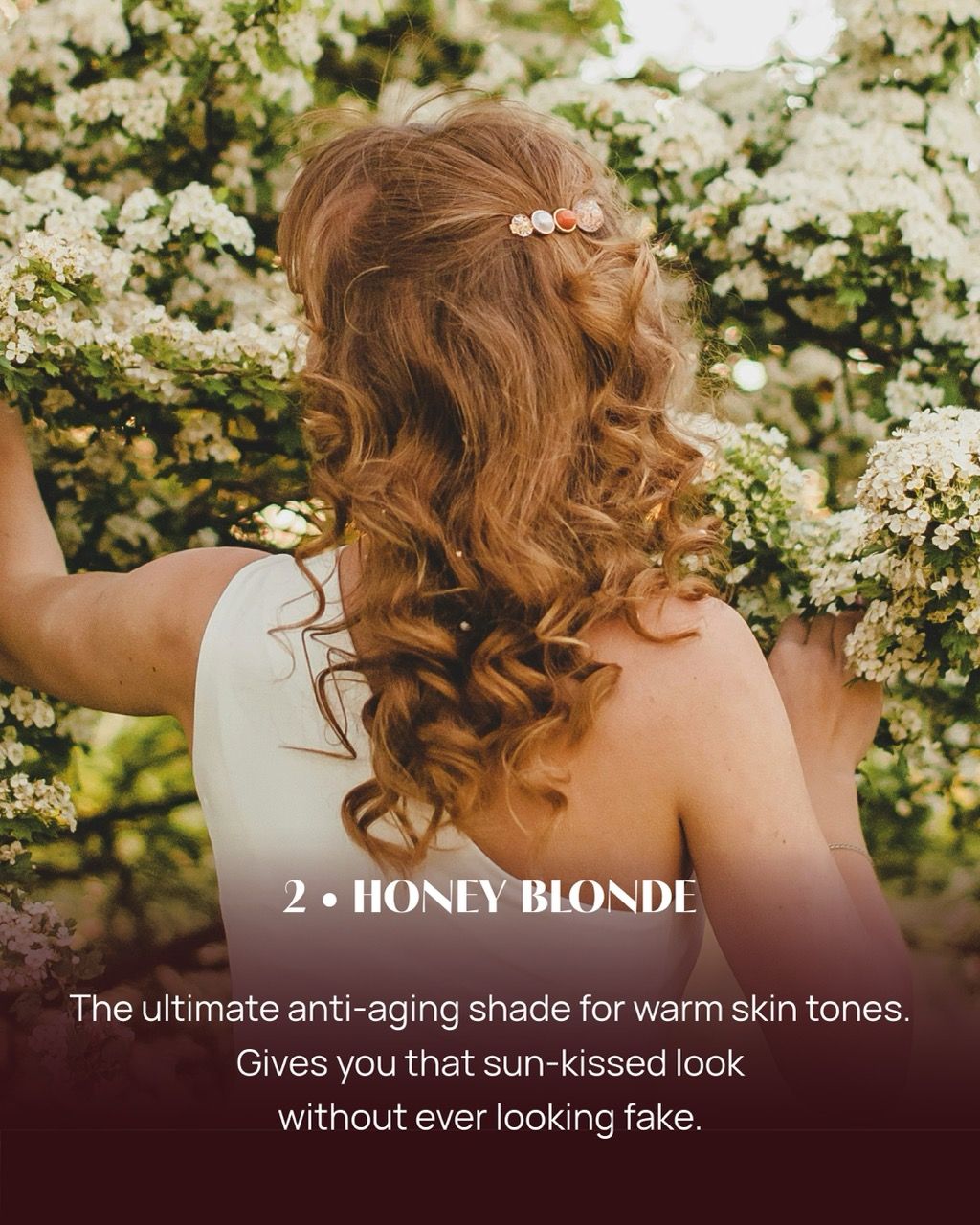
The warmest of the soft blondes. Honey blonde pairs a warm golden glow with a soft brunette base, particularly flattering on warm skin tones and hazel or green eyes. For anyone who doesn't want to go extremely light but wants more warmth, this is the most wearable starting point.
Bronde
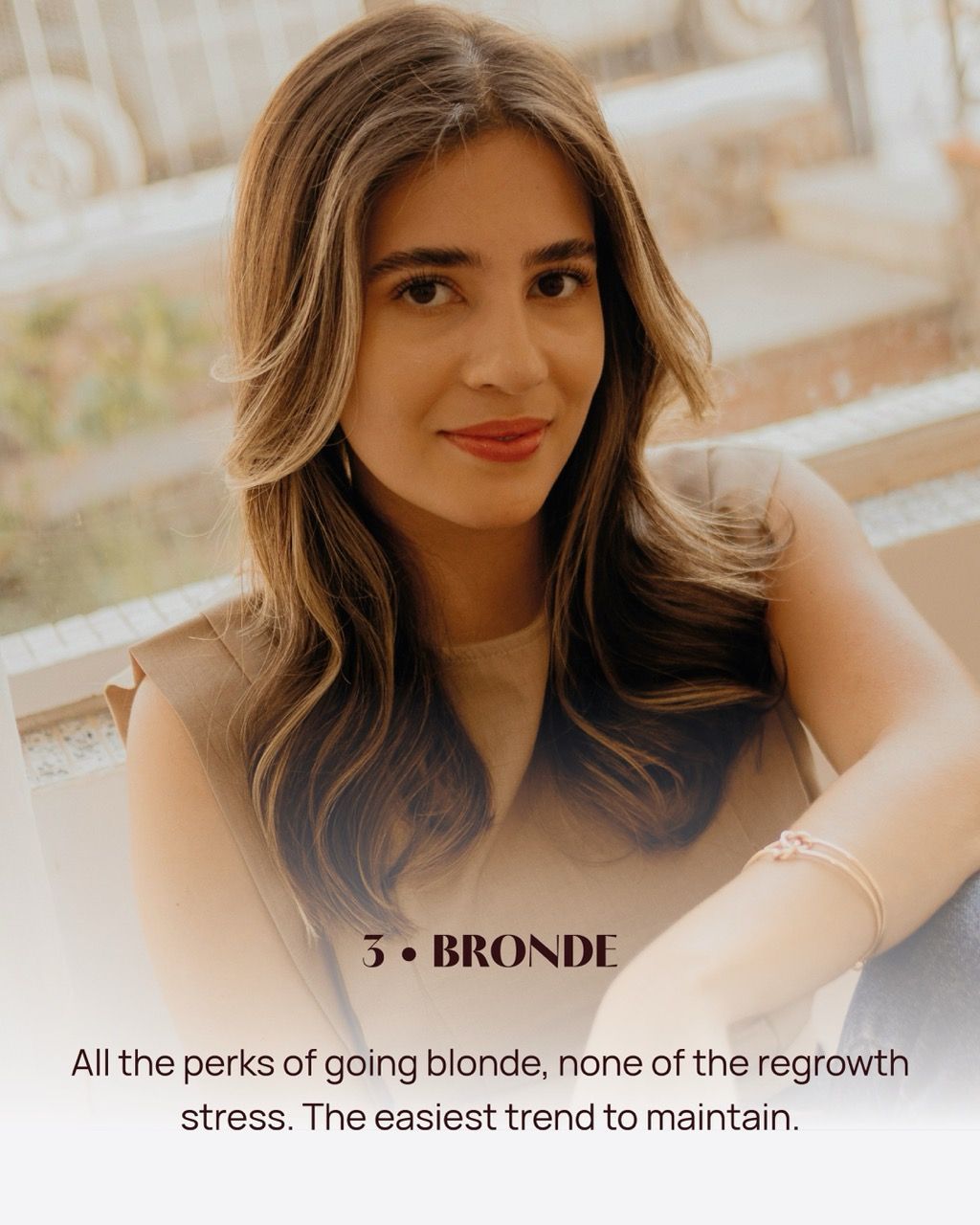
For anyone starting from a brunette base who wants to bring in blonde without going all in. Bronde is balayage or partial highlights where the base stays brunette and the lightness sits mostly around the face and through the lengths. It's the lowest-maintenance option: regrowth is nearly invisible.
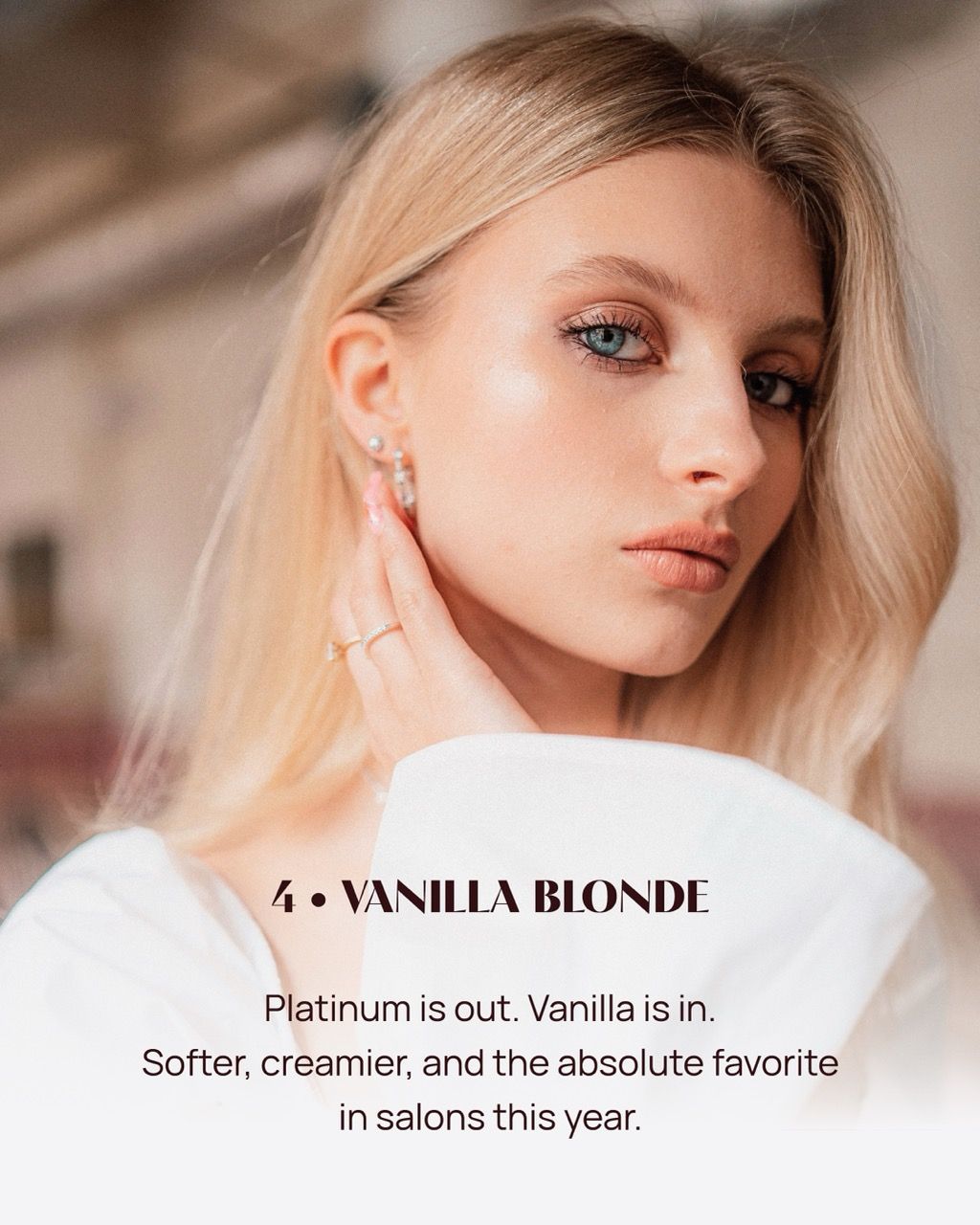
Vanilla blonde
The lightest of the soft variants. A creamy blonde with very fine golden reflections, perfect for anyone edging toward near-platinum without the harshness of cool platinum. Vogue named vanilla blonde one of the most requested shades of the past year, largely because it grows out so softly.
How to keep your blonde fresh and soft
Blonde is demanding to maintain, but less than its reputation suggests. The key comes down to two things: the right shampoo, and the right pauses.
- Purple (silver) shampoo: don't use it daily. Once a week or every two weeks, depending on how fast your blonde turns brassy. Using purple shampoo too often pulls your tones toward violet-grey and strips out the warmth you actually want to keep. L'Oréal Professionnel's Silver Shampoo is a professional formula that neutralises yellow pigment without overcorrecting: leave it on for two to three minutes at most.
- Daily cleansing: for everyday washing, a sulphate-free, colour-protecting shampoo is essential. Shu Uemura's Yubi Blonde Glow Revealing Shampoo is built specifically for blonde hair: it holds onto brightness without dulling the colour. L'Oréal Professionnel's Blondifier Shampoo is a gentler option for anyone chasing vibrancy and shine rather than pigment correction.
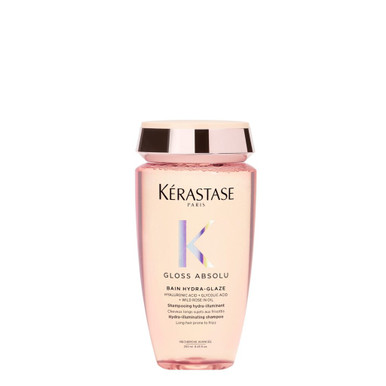
- Weekly nourishment: a nourishing mask once a week isn't a luxury for blonde hair. Lightening processes open the cuticle and leave the hair fibre more porous. Shu Uemura's Yubi Blonde Mask or Kérastase's Bain Lumière (used as a rich wash) support the hair's structure and keep shine at its best.
What a colorist sees differently
What we see happen every year in May and June: clients bring in a photo of a very light blonde and want that result in a single session. Sometimes it's possible, but on a dark base, soft blonde almost always needs several appointments, with enough recovery time in between. Anyone who rushes to go too light too fast ends up with a colour that's technically correct on hair whose structure can no longer keep up. You see the difference in how it falls: healthy blonde moves and shines, rushed blonde sits flat and breaks at the ends.
We also see clients choosing between warm and cool blonde based on trends rather than their own undertone. A cool platinum straight out of a magazine often reads grey and harsh against a warm-toned skin. A warm honey blonde on cool-toned skin, on the other hand, can look "yellow" instead of vibrant. A good colorist always starts by asking what clothes you reach for most, which colours photograph well on you. That sounds indirect, but it's the most honest indicator of your undertone.
One last observation: soft blondes with balayage or partial highlights need a touch-up every three to four months, not every four to six weeks like a uniform blonde. That makes a real difference, both in time and in hair damage. It's the most sustainable way to stay blonde.
A ritual for your summer blonde
Five fixed steps, three extra minutes:
- Wash no more than two to three times a week.
- On other days, use dry shampoo or a quick rinse with fresh water.
- Purple shampoo once every one to two weeks, not more.
- Nourishing mask, weekly.
- Leave-in on mid-lengths and ends before you head out: UV breaks down blonde pigment.
Heading to the beach, the pool, or a long day in the sun? Rinse your hair with fresh water before you swim, and protect it with a leave-in oil such as Redken's Naked Gloss Lightweight Shine Oil. A hat or a silk scarf does the rest.
For a colour consultation matched to your undertone, where your shade is tailored to your skin tone, your natural undertone and your maintenance rhythm, you can book through HairBeautyHub at a partner salon with colorist expertise. (Also read: What to know before you go blonde)
Frequently asked questions
What's the most beautiful blonde hair colour? "Most beautiful" depends entirely on your skin tone and eye colour. For warm skin tones with hazel or green eyes, honey blonde or warm vanilla blonde usually works best. For cool skin tones with blue or grey eyes, beige blonde or cool vanilla blonde tends to suit better. A colorist can read your undertone within five minutes.
What's a good blonde hair colour for summer? The soft, layered blondes, honey blonde, beige blonde, bronde, vanilla blonde with balayage, are the most flattering summer shades. They mimic how the sun would naturally lighten your hair and stay understated in summer light.
Which hair colour makes you look younger? A shade slightly warmer than your current base can have a youthful effect, especially when placed around the face (face-framing balayage). Avoid extremely cool platinum if you're after that effect: it visually drains colour from the face. Beige blonde, honey blonde and soft balayage tend to work best.
Which blonde shade makes you look younger? Honey blonde, beige blonde with golden reflections, and bronde with face-framing balayage are the most youthful blonde shades. They bring warmth around the face and soften your natural features without hardening them.