Color
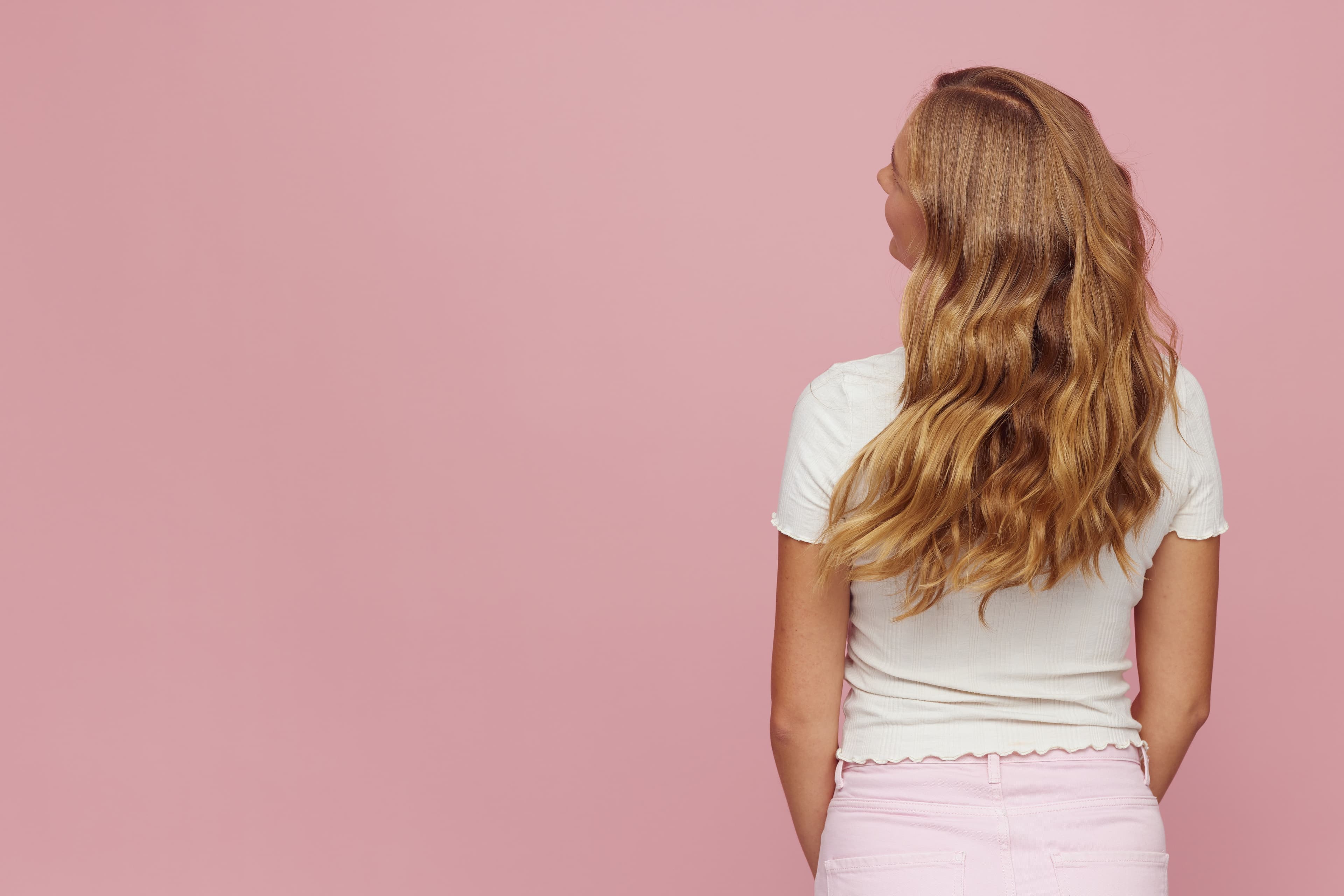
Balayage that looks luminous and effortlessly natural
29 September 2026
Balayage has had a curious trajectory in the hairdressing world. Ten years ago, it was a specialist technique; five years ago, the most requested colour approach; today, it's so mainstream that many clients use the word without fully knowing what it means. And yet — when done well — it remains one of the most refined ways to colour hair. No block colour, no harsh transition from root to tip, but an organic distribution of light that mimics the way the sun would naturally brighten your hair.
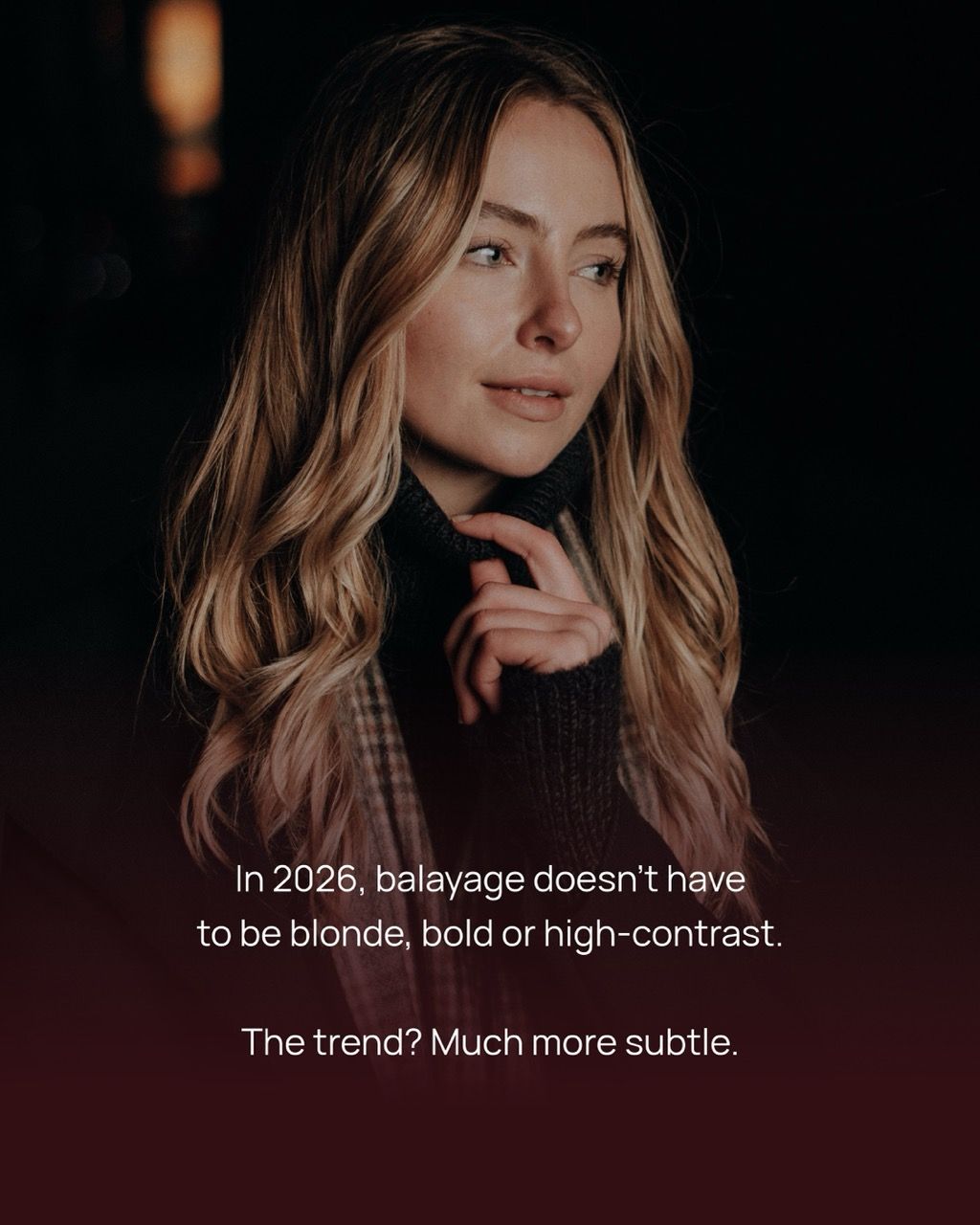
In 2026, we're witnessing a turning point. Where balayage in recent years kept pushing lighter, blonder, bolder, the pendulum is swinging back to what the technique was always meant to be: subtle, muted, natural. The most beautiful balayage this season is the one you don't immediately recognise as "treated." It suggests rather than declares.
What balayage actually is
Balayage comes from the French (balayer: to sweep) and describes a hand-painted technique in which the colourist applies pigment freehand with a brush or palmboard directly onto the hair. No foils, no cap, no sharp division between treated and untreated sections. The result: seamless transitions and far less visible regrowth.
The technical difference from classic highlights — which are typically wrapped in foils — is significant. Balayage works across the surface of a section, with the greatest concentration around the face and on the ends, while highlights are placed deep through the full length of the hair. The American Academy of Cosmetology describes it as "color painting versus color sectioning." Both techniques have their place, but they produce a fundamentally different outcome.
What makes balayage so flattering
Three reasons balayage has dominated for years:
-
Movement. Thanks to the soft, flowing distribution of pigment, your hair appears to be in motion even when it's perfectly still. The interplay of lighter and darker tones gives your hair a three-dimensional quality.
-
Face framing. Good balayage places more light around the face — exactly where you want flattering reflections. The effect is subtle but tangible: your features come alive.
-
Maintenance rhythm. An all-over blonde requires root touch-ups every four to six weeks. Balayage grows out softly and typically needs a refresh every three to four months — sometimes even less. The savings in time, cost, and hair integrity are substantial.
The softest balayage tones of 2026
Honey blonde balayage
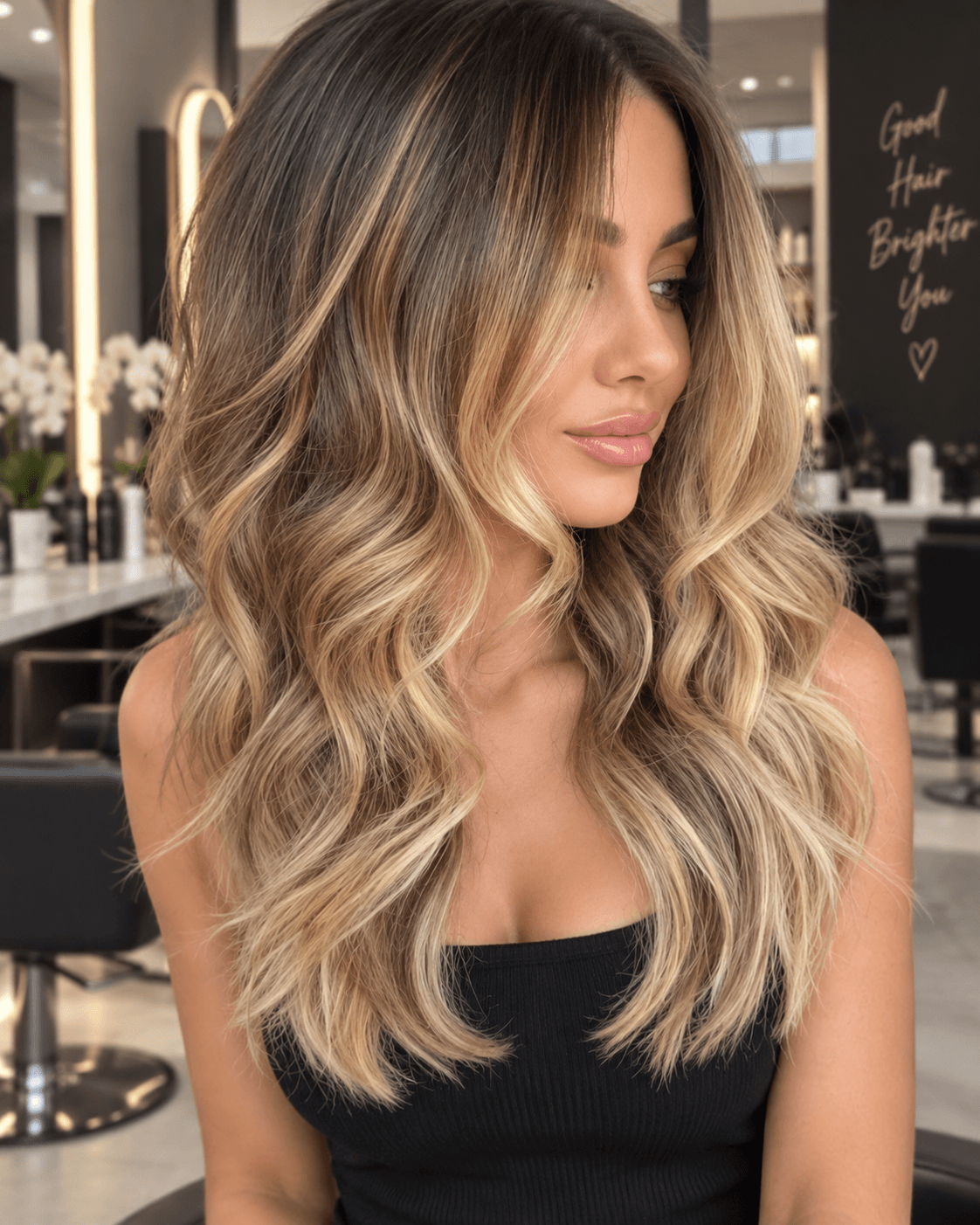
The most versatile option: warm honey reflections on a medium-brown or dark-blonde base. It flatters virtually every skin tone and lends a sun-kissed warmth regardless of the season. This is the balayage you'll never tire of.
Caramel balayage
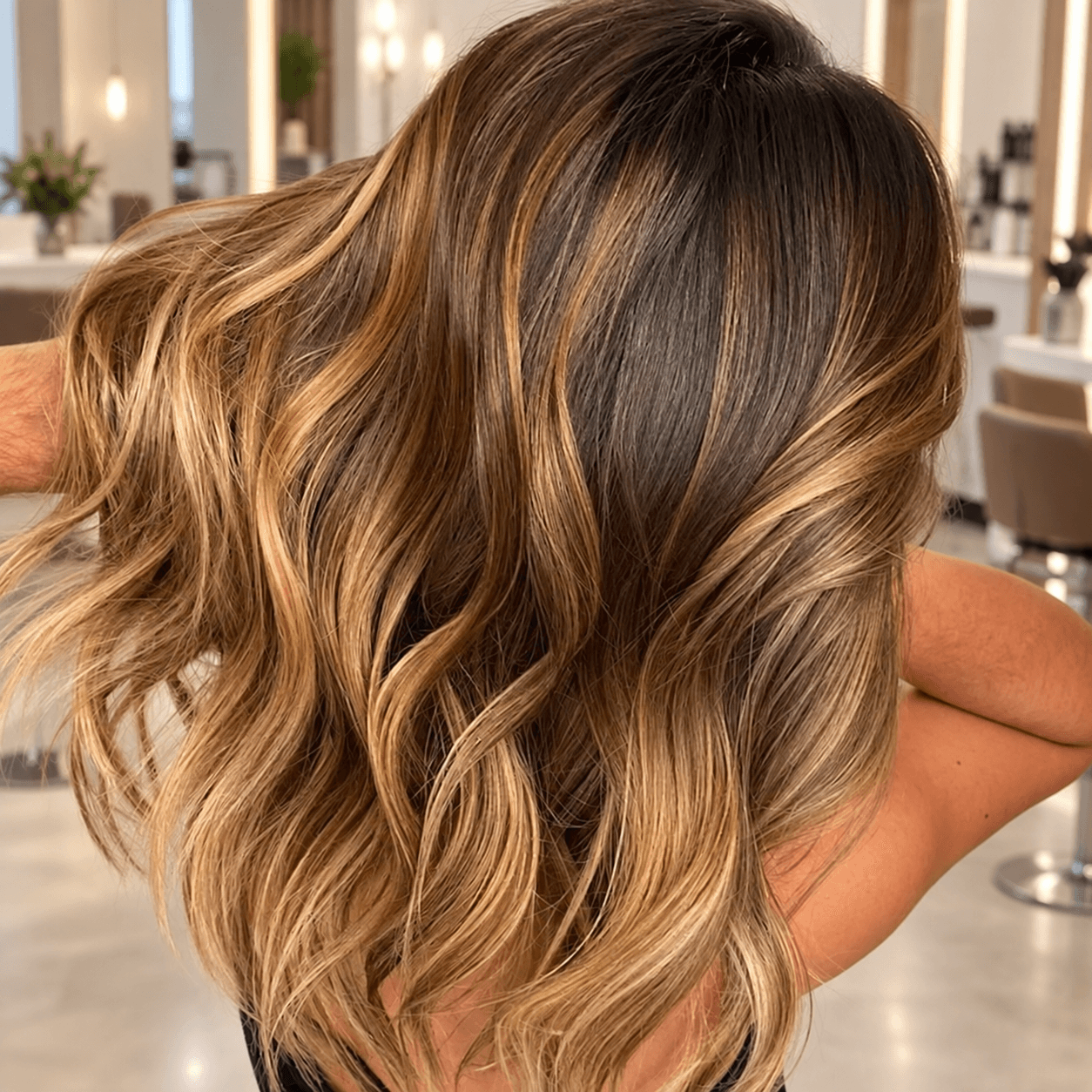
A shade deeper than honey, with richer golden-brown undertones. Caramel balayage looks stunning on darker bases that don't want to go fully blonde but still crave brightness around the face. For those who want to preserve their natural brown while gaining a visual lift, caramel is the most natural starting point.
Beige balayage
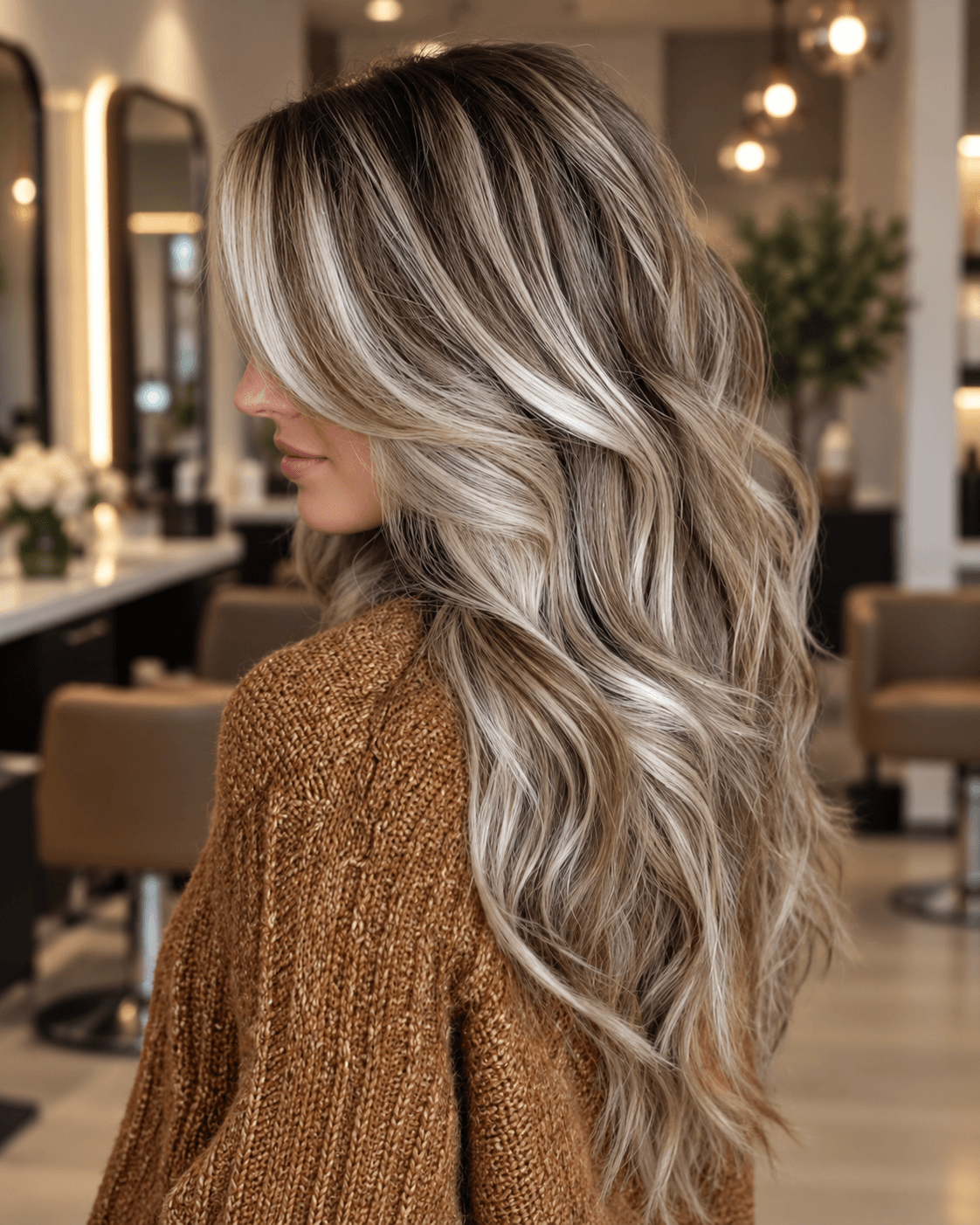
The cooler counterpart — more neutral, more understated, more "European classic." Beige balayage works best on natural blondes or dark-blonde bases looking to shift toward a soft ash blonde. Vogue has named beige balayage one of the most requested variations for several years running — not trending, simply established.
Babylights or "lived-in" balayage
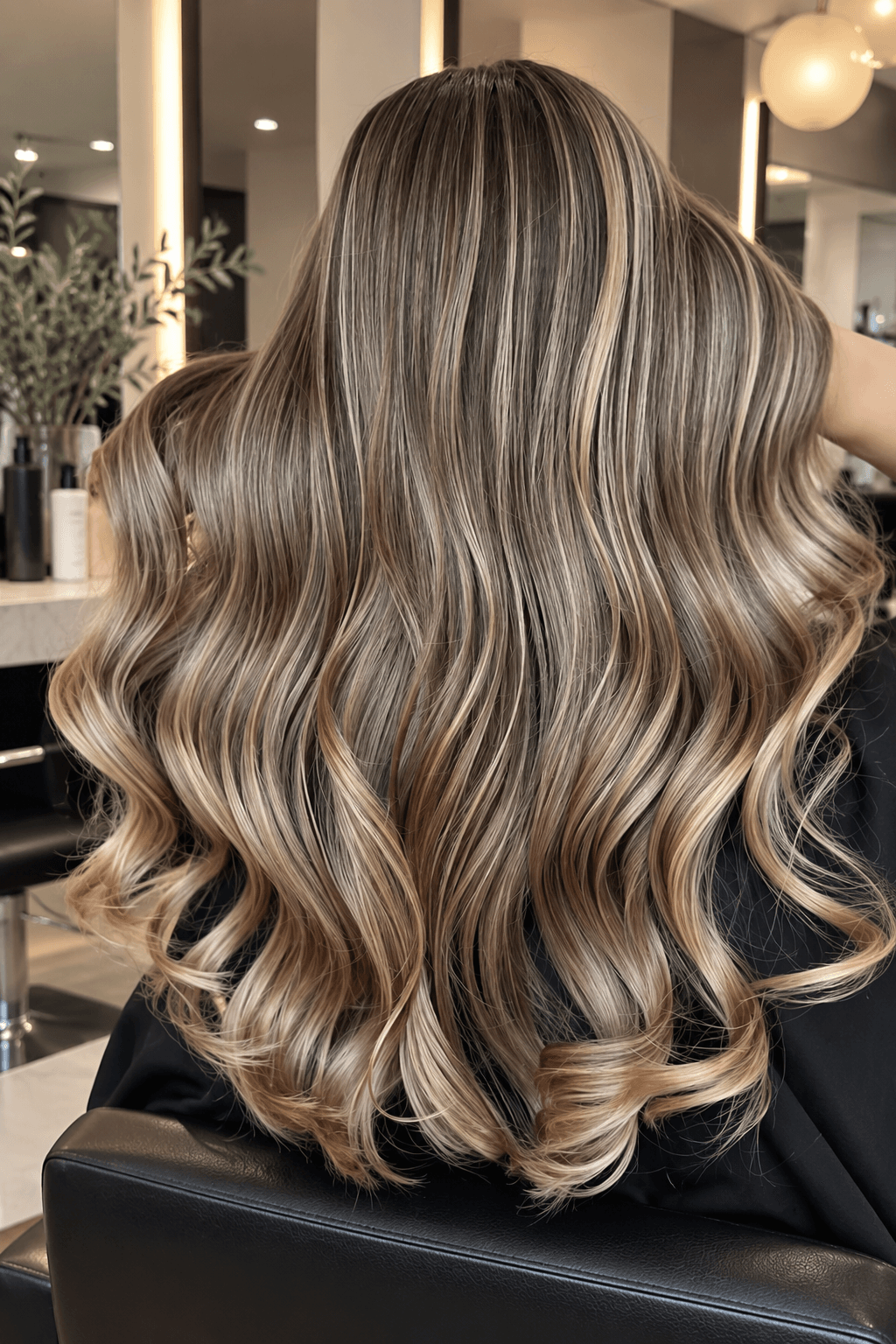
A variation that pairs balayage with fine, delicate highlights — primarily around the face and along the top layer. The effect is a colour that looks less "done" than classic balayage, almost as though you spent a summer in the sun. Harper's Bazaar calls babylights balayage "the technique that ages best" — the version that stays beautiful longest.
Bronde balayage
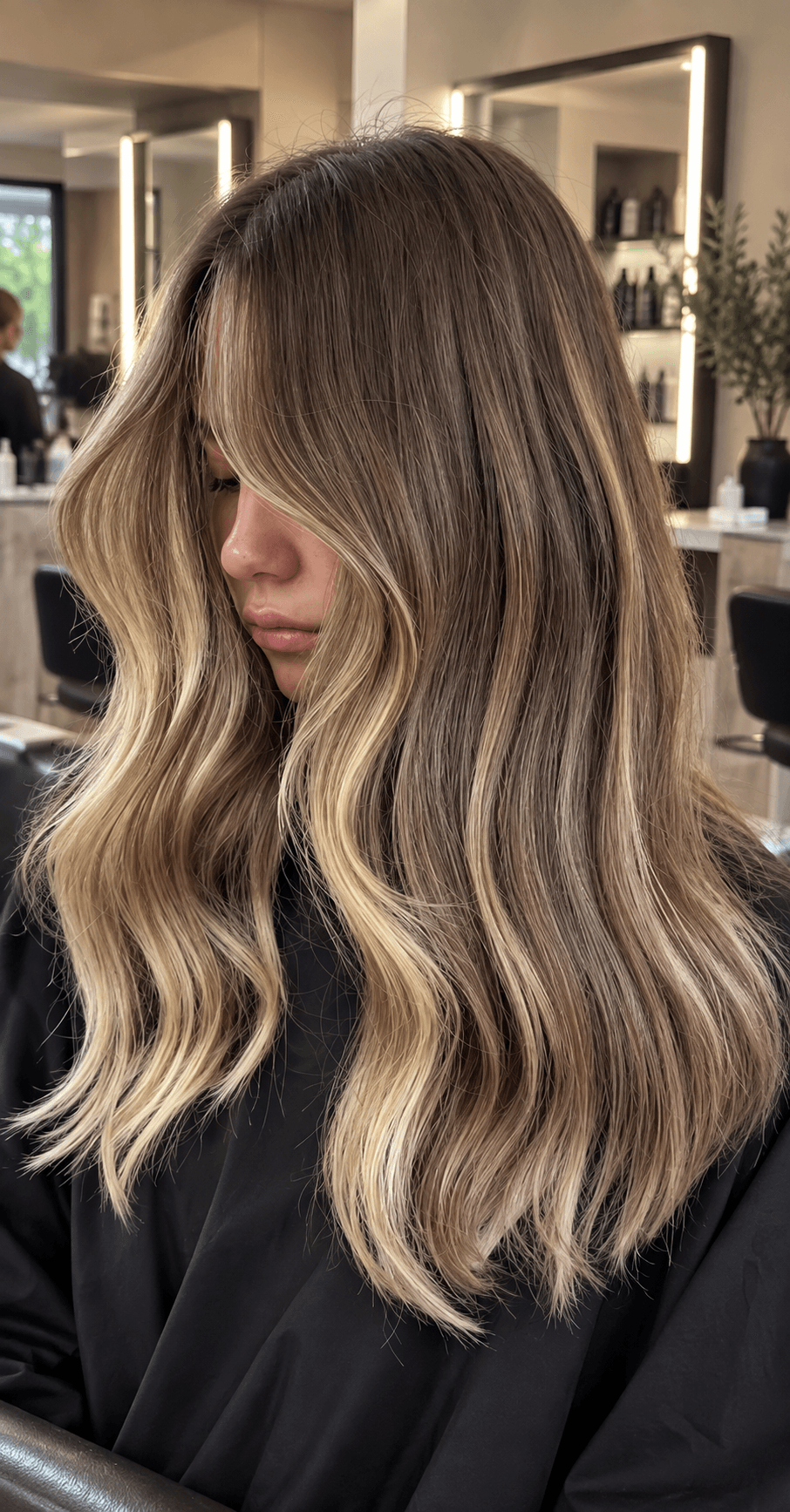
For darker bases that don't want blonde, but do want light. Bronde — a hybrid of brown and blonde — is frequently executed as balayage: brown base, blonde reflections on the ends and around the face. It's the lowest-maintenance option for anyone starting from a brown base.
How to keep your balayage luminous and soft for longer
A balayage investment can stay beautiful for six months to a year — provided you look after it properly.
Start with your wash routine. A sulphate-free, colour-protecting shampoo such as the Bain Riche Chroma Respect by Kérastase or the Vitamino Color Spectrum Shampoo by L'Oréal Professionnel keeps pigmentation vibrant without stripping the hair. For blonde balayage, a light purple shampoo like the Silver Shampoo by L'Oréal Professionnel helps manage yellow tones — once every two weeks is enough.
To counteract minerals in tap water that dull balayage (an underestimated culprit), the Metal Detox Shampoo by L'Oréal Professionnel is a worthwhile addition — you'll typically notice the difference within three washes.
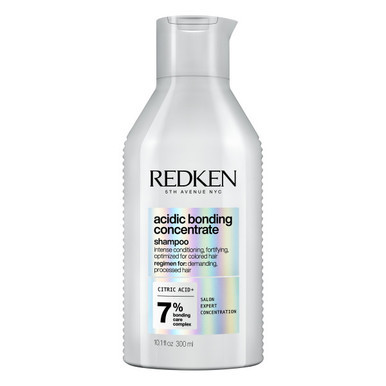
For repair and shine, an at-home glossing treatment is a game-changer. The Acidic Color Gloss Glass Gloss Treatment by Redken restores lustre without a salon visit. Once a week, after washing, five minutes — the difference is visible straight away.
What a stylist sees differently
What we encounter every week: clients who want "just balayage," with no further detail. But balayage is not a one-technique-fits-all solution. A balayage for dark-haired clients who have never coloured before demands a completely different approach than one for someone who has been lightened twice already. Where the lightest pieces begin — at the parting, at the cheekbones, at the shoulders — determines the entire effect.
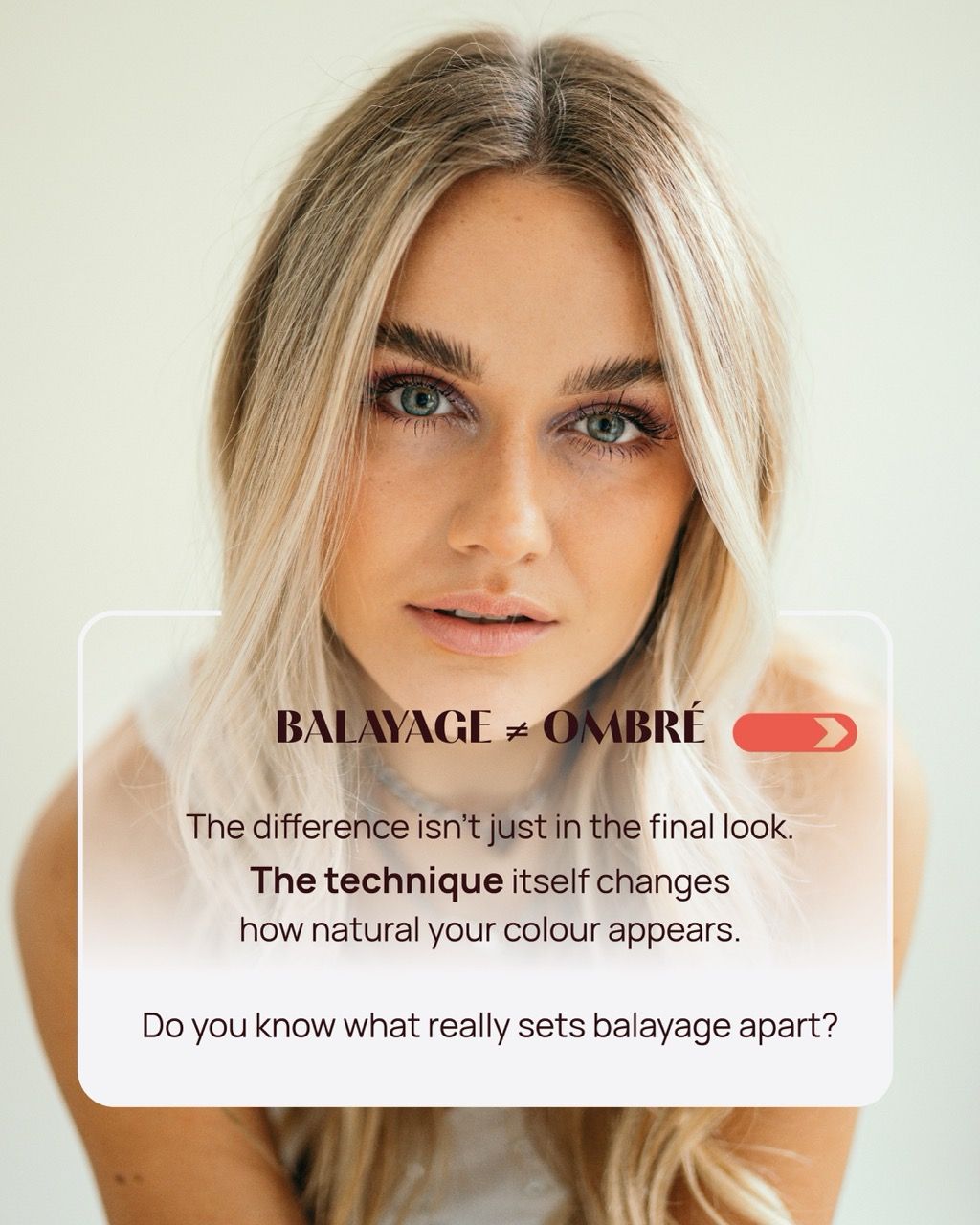
We also notice that clients sometimes confuse balayage with ombré or "dipped ends." Ombré is a specific gradient where roots stay dark and ends become much lighter, with a visible transition in the middle. Balayage is fluid and organic, with no sharp dividing line. Clarifying this distinction before the appointment prevents disappointment.
One final observation: balayage executed by someone who hasn't fully mastered the technique often looks streaky. The placement is too uniform, the transitions too sharp, and the effect reads as "applied" rather than "grown in." That's why a colourist with explicit balayage experience — not just classic colouring skills — is an investment that pays for itself. During your consultation, always ask to see photos of previous balayage work.
A ritual for your balayage
Three simple maintenance principles:
- Wash no more than two to three times a week, with a sulphate-free, colour-protecting shampoo.
- Use a glossing treatment or nourishing mask weekly — balayage places demands on your hair fibre, and repair keeps your colour sharp.
- Protect against UV (even in winter; the sun fades pigment in cold weather too).
If you're considering your first balayage or want to refresh your current one, you can book an appointment via HairBeautyHub at a partner salon — choose a colourist who works explicitly with balayage and who will show you during the consultation what's realistic for your base and desired result.
Frequently asked questions
Is balayage still in fashion? Yes, and it has moved beyond "trending" — balayage is an established technique that has held its place at the top of colour approaches for years. What evolves is the specific execution: in 2026, we're seeing softer, more natural balayage with less contrast and more dimension, following a few years of brighter, blonder variations.
What is the balayage trend for 2026? Subtle, "lived-in" balayage with natural-looking gradients. Honey blonde, beige blonde, caramel, and bronde are the dominant tones. Babylights are increasingly combined with balayage for extra dimension. The trend is "looking less treated" — as though the sun did the work.
What is the difference between highlights and balayage? Highlights are typically placed in foils and run deep through the entire length of the hair — creating sharper contrast. Balayage is hand-painted onto the surface of sections, focusing on face framing and the ends — producing a more fluid, organic result. Both have their place, but balayage grows out more softly and requires less maintenance.
What are the latest balayage trends? Alongside soft honey blonde, beige, and caramel balayage, 2026 is seeing the rise of "expensive brunette" — a deep brown base with fine, warm balayage that makes the hair look luxurious and polished without appearing obviously coloured. Bronde and babylights balayage also remain at the forefront.