Shine
Discover 2025 hair solutions to fight thinning and hair loss
21 April 2026
It often starts subtly. A few more hairs than usual in the shower drain. A fuller hairbrush in the morning. A parting that looks slightly wider than before.
For many people, hair loss can trigger stress and uncertainty. It’s a topic surrounded by myths, miracle cures, and unnecessary panic.
The question most people ask themselves is simple: can I stop hair loss — or even prevent it altogether?
The honest answer is nuanced. Sometimes yes, sometimes not entirely. But in most cases, you can improve the condition of your hair and scalp and slow down or manage hair thinning effectively.
Preventing hair loss is rarely about one miracle product. Instead, it requires a holistic approach: understanding the cause, adjusting lifestyle habits, and choosing the right targeted hair care products.
In this guide, we separate facts from myths. We explore the most common causes of hair loss, provide practical hair growth tips, and explain when it may be time to consult a medical professional.
No empty promises — just clear, realistic advice.
Understanding Hair Loss: Why Does Hair Fall Out?
To understand how to treat or prevent hair loss, it helps to understand how hair actually grows.
Each strand of hair goes through a natural growth cycle consisting of three phases:
- Anagen phase – the active growth phase
- Catagen phase – the transition phase
- Telogen phase – the resting phase
At the end of the resting phase, the hair naturally falls out and a new hair begins growing from the same follicle.
It is therefore completely normal to lose between 50 and 100 hairs per day.
Hair loss becomes a concern when this natural balance is disrupted and more hairs fall out than grow back.
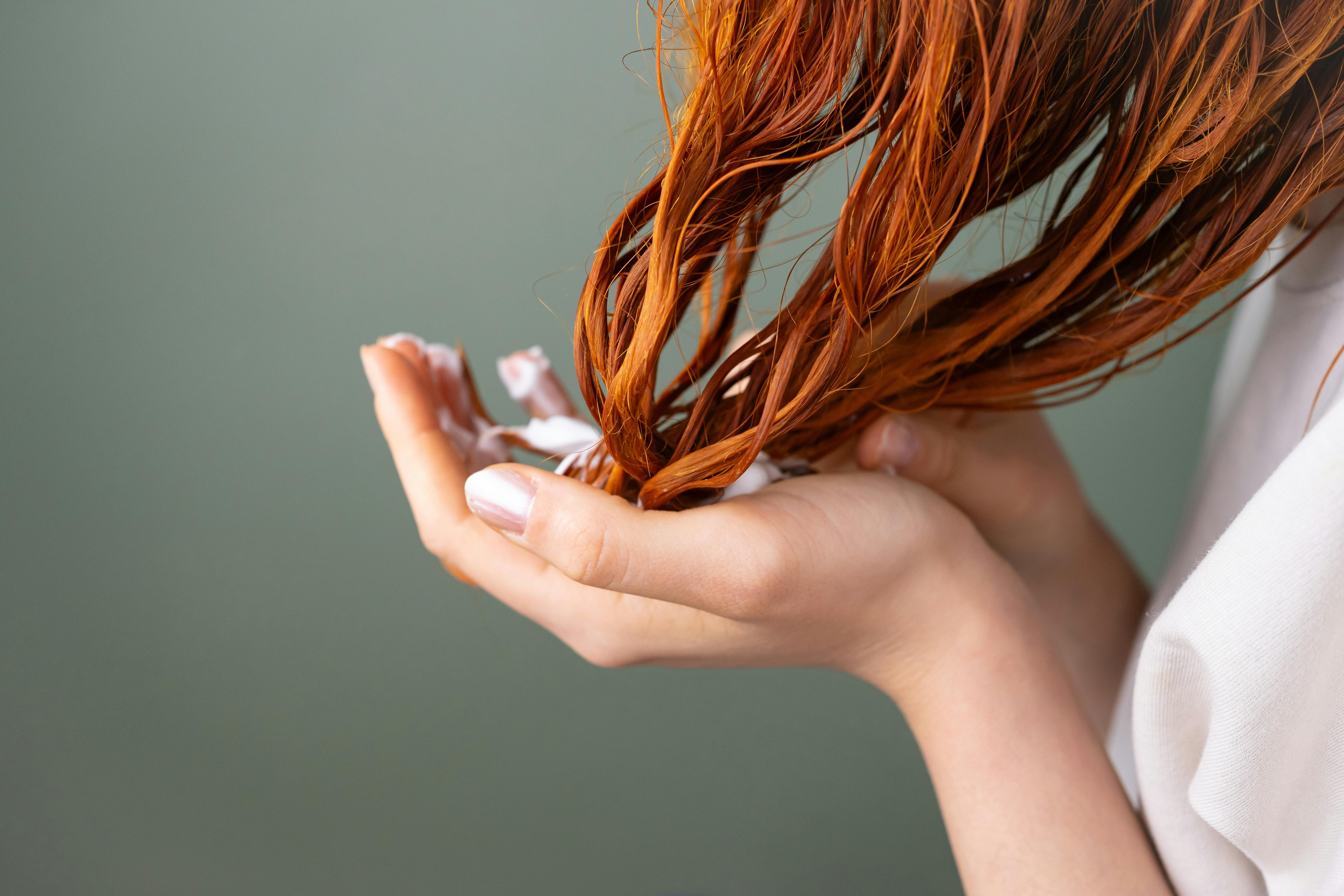
What Are the Main Causes of Hair Loss?
Hair loss can have many different causes, and often multiple factors are involved.
Androgenetic Alopecia
This is the most common cause of hair thinning in both men and women.
Also known as genetic or hereditary hair loss, this condition occurs when hair follicles are sensitive to the hormone dihydrotestosterone (DHT). Over time, this hormone causes the follicles to shrink, producing thinner and shorter hair strands.
Telogen Effluvium Telogen effluvium is a temporary form of excessive hair shedding triggered by stress on the body, such as:
- childbirth
- surgery
- high fever
- emotional stress
In this situation, many hairs enter the resting phase at the same time and fall out several months later.
Alopecia Areata
Alopecia areata is an autoimmune condition where the immune system attacks hair follicles, leading to round bald patches on the scalp.
Other Possible Causes Hair loss may also be triggered by:
- nutritional deficiencies
- thyroid disorders
- hormonal imbalance
- certain medications
- tight hairstyles that pull on the hair (traction alopecia)
The key takeaway is simple: not all hair loss is the same.
While genetics cannot be changed, factors such as stress, nutrition, and scalp care are within your control.
Preventing Hair Loss from Within: Nutrition and Lifestyle
Hair health often reflects overall health.
What you eat, how well you sleep, and how you manage stress all affect the condition of your hair follicles.
Preventing hair loss often begins with lifestyle and nutrition.

What Nutrient Deficiencies Cause Hair Loss?
Hair is primarily made of keratin, a protein that requires vitamins and minerals to grow properly.
A deficiency in certain nutrients can slow hair growth and increase hair shedding.
Important nutrients include:
Iron
Iron deficiency is one of the most common causes of hair loss in women.
Low iron levels reduce oxygen delivery to hair follicles, weakening hair growth.
Sources include:
- red meat
- spinach
- lentils
Zinc
Zinc plays an essential role in hair tissue growth and repair.
Sources include:
- oysters
- pumpkin seeds
- beef
Protein
Hair is made of protein. If protein intake is too low, the body prioritizes vital organs and reduces hair production.
Sources include:
- eggs
- poultry
- fish
- legumes
Biotin (Vitamin B8)
Biotin helps support keratin production, strengthening the hair fiber.
Sources include:
- eggs
- nuts
- sweet potatoes
For reliable evidence-based information about hair loss, consult independent medical resources such as:
Gezondheid en wetenschap
Stress and Hair Loss: The Hidden Connection
Have you ever experienced a stressful period followed by noticeable hair thinning a few months later?
That is typically telogen effluvium.
Chronic stress increases cortisol levels in the body, which can disrupt the hair growth cycle.
So what helps stop hair loss quickly in these cases?
Unfortunately, there is rarely an instant solution. The goal is to restore balance by focusing on:
- adequate sleep
- regular exercise
- stress reduction techniques such as mindfulness or meditation
When the body recovers, the hair cycle usually stabilizes as well.

Treating Hair Loss from the Outside: The Right Hair Care Routine
While nutrition and lifestyle form the foundation, the right hair care products can help reduce hair breakage and support healthy hair growth.
Two priorities are essential:
- maintaining a healthy scalp
- preventing hair breakage
Tip 1: Take care of your scalp
A healthy scalp is the foundation for strong hair growth.
An irritated or congested scalp can weaken hair follicles.
Use a targeted shampoo
Harsh shampoos can strip the scalp of its natural oils and cause irritation. Choose a gentle formula designed to purify the scalp and stimulate circulation.
For thinning hair, consider
Kérastase Bain Densité Homme — a shampoo designed to help increase hair density.
If your scalp feels sensitive or irritated,
Nioxin Scalp Recovery Cleanser offers a gentle yet effective cleansing solution.
Massage your scalp
Take time during washing to gently massage the scalp with your fingertips.
This stimulates blood circulation, helping deliver nutrients to hair follicles.
Tip 2: Prevent Hair Breakage
What many people believe is hair loss is often actually hair breakage.
Instead of falling out from the root, the hair shaft breaks due to damage.
Avoid tight hairstyles
Constant tension from tight ponytails or braids can cause traction alopecia.
Be gentle with wet hair
Wet hair is extremely fragile. Pat hair dry with a towel instead of rubbing aggressively.
Use conditioners that make detangling easier.
The Kérastase Genesis Fondant Renforçateur conditioner is designed to reduce hair breakage.
Another strengthening option is
Kérastase Ciment Anti-Usure, which helps repair weakened hair fibers.
Limit heat styling
Frequent heat styling damages the protein structure of the hair. Always apply a heat protection product before styling.
Tip 3: Use a Hair Growth Serum
A scalp serum acts like targeted nourishment for your hair follicles.
These treatments contain active ingredients designed to anchor the hair fiber and support the hair growth cycle.
The Kérastase Genesis Sérum Anti-Chute Fortifiant is a daily serum that helps strengthen the scalp and reduce hair breakage.
For overnight treatment,
Nioxin Night Density Rescue works while you sleep to improve hair density.
For additional daytime volume, combine
Nioxin Instant Fullness
with
Nioxin Root Lifting Thickening Spray
to create fuller-looking hair at the roots.
When Should You See a Doctor for Hair Loss?
Many types of hair loss and hair thinning are harmless or manageable with lifestyle changes and hair care.
However, medical advice may be necessary in some situations.
Your hairdresser is an expert in hair care, but a doctor or dermatologist can diagnose underlying medical conditions.
Medical Conditions Linked to Hair Loss
Hair loss can sometimes be a symptom of medical issues such as:
- thyroid disorders
- PCOS (Polycystic Ovary Syndrome)
- iron deficiency anemia
- autoimmune diseases such as lupus
Consult a doctor if you notice:
- sudden or excessive hair shedding
- expanding bald patches
- hair loss accompanied by fatigue, weight changes, or skin symptoms
- persistent concern about hair loss
##Conclusion: Taking Control of Hair Loss
The question “Can hair loss be prevented?” doesn’t have a simple yes-or-no answer.
Genetics cannot be changed. But you still have significant influence over many contributing factors.
By improving nutrition, managing stress, and caring for your hair and scalp with the right products, you create the best possible environment for healthy hair growth.
The most important step is simple: be proactive and listen to the signals your body gives you.
Start with small adjustments to your routine, choose targeted hair care, and don’t hesitate to seek professional advice from both hair specialists and medical professionals.
Looking for Personal Hair Advice?
Want personalized guidance for your hair and scalp?
Our HBH stylists can perform a professional hair and scalp diagnosis and recommend the best products for your specific needs.
Discover the possibilities with the
HairBeautyPass
or explore our curated collections for